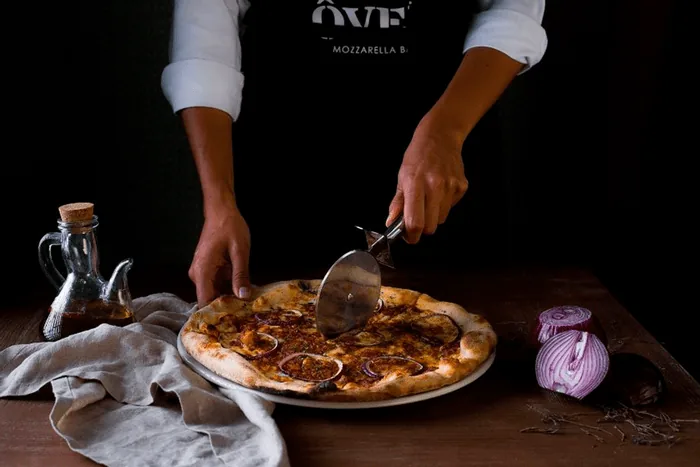

Thespelt doughis pizza dough made with spelt flour instead of common wheat flour. First, it is worth stating what it is not: it is not gluten-free, it is not a diet dough and it is not suitable for people with coeliac disease. What it is: a different flour, with a different flavour and a different response in the pizzaiolo’s hands.
Spelt (Triticum spelta), also known as dinkel wheat, is a species of wheat cultivated for thousands of years in Europe and the Near East. It is ahexaploid wheat: it has six sets of seven chromosomes, forty-two in total, exactly like the bread wheat we use today.
This matters because it challenges the claim most often made about it. Spelt is often presented as a “pure” or “unhybridised” grain, in contrast to supposedly manipulated modern wheat. That is not the case:spelt is also the result of crosses between wheats, and genetically it is a very close relative of ordinary wheat. Its appeal lies not in its purity, but in how it behaves in dough.
This comes before anything else, because there is a lot of misinformation.Spelt contains gluten.It is not an alternative for people with coeliac disease, nor for anyone with a wheat allergy: it is so closely related to common wheat that it cannot be recommended as a substitute.
Its nutritional composition is alsovery similar to that of common wheat. Some values differ — it has slightly more riboflavin and niacin — but these are not two foods in different categories. Be wary if someone sells spelt pizza as a healthy pizza or one for people with intolerances: flavour is the reason to order it, not health.
If you have coeliac disease, diagnosed gluten sensitivity or any food allergy,always ask the restaurant team on every visitbefore ordering. The allergens for each dish are listed on theMenu.
Here is the real reason some pizzerias use it, and why many do not:spelt gluten is weaker and more fragilethan bread wheat gluten. It contains protein, but forms a network that stretches less and breaks sooner.
For the person kneading it, this means three things:
On the plate, the result is unmistakable:a darker colour, a slightly denser crumb and a more toasted flavour, with undertones often described as walnut or hazelnut. Wheat-based Neapolitan dough is milder and lighter; spelt dough has more character and stands up better to strongly flavoured toppings.
Flour with fragile gluten and a long fermentation need each other. Sourdough and time turn a difficult flour into a workable dough: the gluten network relaxes, the dough becomes more extensible without being forced, and fermentation aromas develop, making up half the flavour of a good pizza.
It is the same logic as Neapolitan dough, except that here it is essential: without a long fermentation, spelt dough simply does not turn out well.
At ÔVEN, spelt pizza is made withorganic spelt sourdough, using the sametriple fermentationas our house Neapolitan dough, with ovens fired up from first thing in the morning. The kitchen is led by chefFabio Morisi, a Neapolitan master pizzaiolo. Read about how we work inabout ÔVEN.
The formula did not come from a catalogue. It was developed by master artisanRoberto Briscianiin our own laboratory, seeking the point at which spelt could support pizza dough without losing its flavour. The grain is milled slowly, in a process closer to centuries-old methods than industrial ones, preserving its nutty flavour and producing a crisp edge. When we added it to the menu, the food bloggastronomiaymoda.comdescribed us asthe first Italian restaurant in Spain to offer pizzas made with organic spelt sourdough.
Its more toasted character works especially well with ingredients that hold their own:
How to order it: any pizza on the menu can be ordered with spelt doughinstead of classic Neapolitan dough. Just mention it when booking or ordering at the table, and the team will confirm the price. See all our pizzas on theMenuand book atBookings.
Find us at eight addresses in Madrid —Preciados, Gran Vía 6, Gran Vía 55, Fuencarral, Atocha, Prado, BernabéuandLas Tablas— and inMurcia.
| What it is | Pizza dough made with spelt flour (Triticum spelta) instead of common wheat |
| Gluten | Yes, it contains gluten.Not suitable for people with coeliac diseaseor a wheat allergy |
| Nutrition | Very similar to common wheat. Not a “healthy” or diet dough |
| What its gluten is like | Weaker and more fragile: the dough stretches less and breaks sooner |
| As a result | It needs a long fermentation and more careful stretching |
| Flavour | More toasted, with walnut or hazelnut undertones |
| Appearance and texture | Darker colour, slightly denser crumb, more character |
| What it pairs well with | Strongly flavoured ingredients: truffle, guanciale, aged cheeses, roasted vegetables |
| At ÔVEN | Organic spelt sourdough with triple fermentation. Available for any pizza on the menu |
No. Spelt is a type of wheat andcontains gluten. It is unsuitable for coeliac disease or wheat allergy because it is genetically very close to common wheat. If you have coeliac disease, always speak to the restaurant team before ordering any dish.
Not to any significant extent. Spelt’s nutritional composition is very similar to common wheat: some values differ, such as riboflavin and niacin, but not enough to call it a healthier option. Choose it for its flavour and texture; that is reason enough.
Because it has a different aromatic profile and is usually milled with more of the grain retained, giving it that toasted note and darker colour. The difference is most noticeable in the pizza crust, where you taste the dough on its own.
No. It is a widely repeated marketing claim, but spelt is also the result of crosses between wheats and shares bread wheat’s hexaploid genetic structure, with forty-two chromosomes. It is an ancient wheat, not an untouched one.
Yes. Any pizza on the menu can be made with spelt dough instead of Neapolitan dough. Just ask when booking or at the table, and the team will confirm the price. We suggest starting with a pizza with bold toppings, where spelt dough shines most.
Yes, which is why it is not widely offered. Fragile gluten leaves less room for error: the dough is easily overworked, tears sooner when stretched and requires proper fermentation. Poorly fermented spelt dough does not turn out average; it turns out badly.